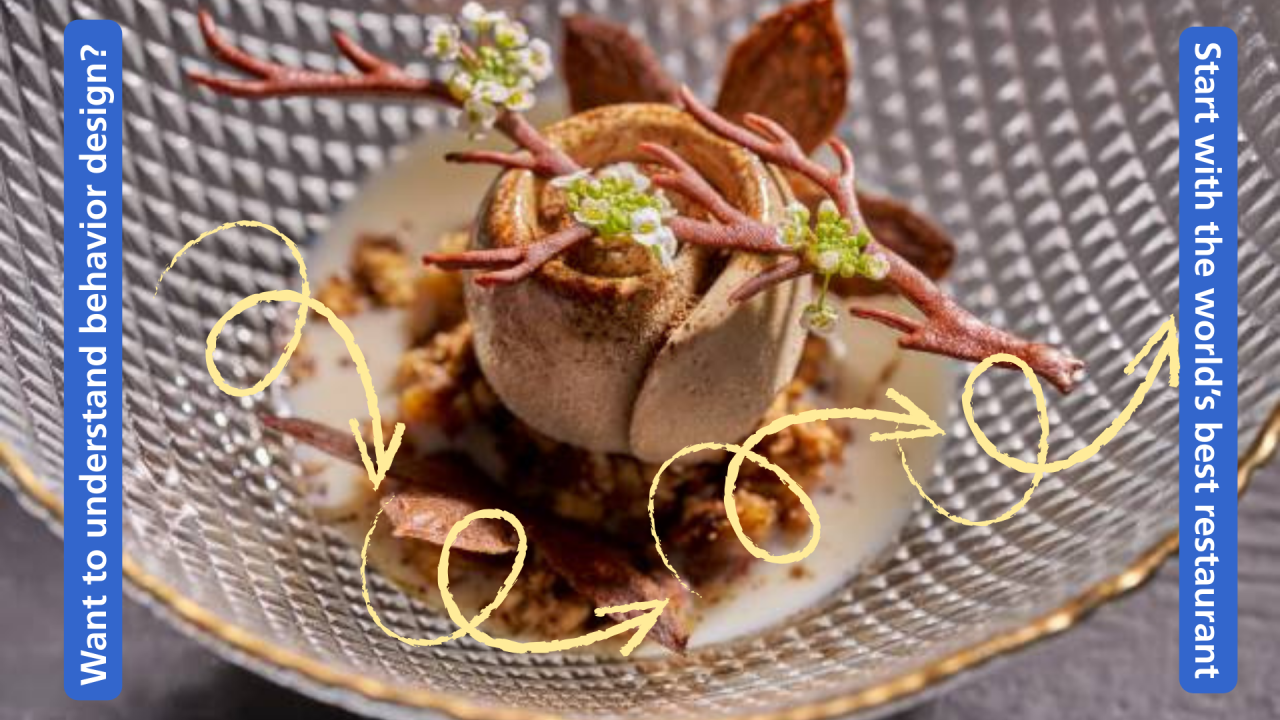
Want to understand behavior design? Start with the world’s best restaurant
The world’s top eatery may seem an unlikely classroom for behavior design, but Maido in Lima, Peru (recently crowned The World’s Best Restaurant 2025) offers some rich and tasty (sorry) lessons. Maido’s multi-course Nikkei tasting menu, “blending meticulous Japanese technique with vibrant Peruvian ingredients”, is built on seasonality, narrative and sensory surprise. Chef Mitsuharu Tsumura himself says “making people happy has always been what I’ve loved doing”. In other words, Maido’s entire operation is crafted to shape diners’ actions and emotions.

Nonprofits Are Chasing Clicks While The Real Money Sits In The Mailbox
Ask any nonprofit fundraiser what they are working on this week/month/year and you will probably hear about email or social media. New subject lines, tests, open rates, click numbers, etc...Then look at where many of the biggest gifts still come from and you find something simple: a reply envelope in a pile of mail on someone’s counter…
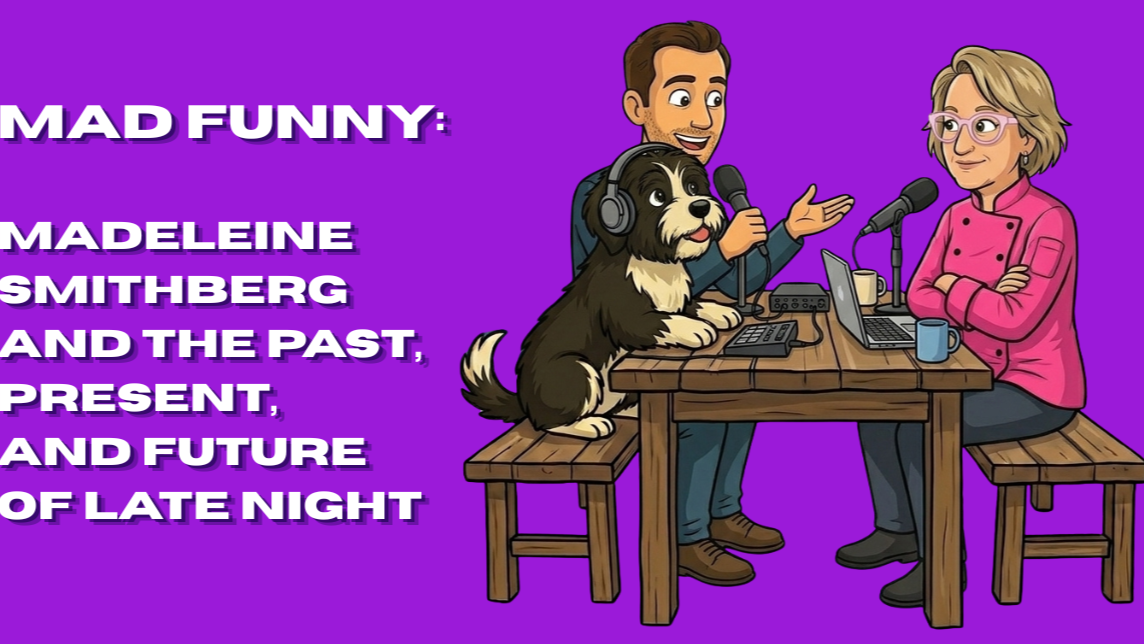
Mad Funny: Madeleine Smithberg and the Past, Present, and Future of Late Night
When Madeleine Smithberg joined me for a ZOOM call from her home in late-March, she brought the same crackling, collaborative energy that fueled her decades-long career in television production. Smithberg is currently navigating the demanding process of writing her memoir, tentatively titled "Finding the Funny: A Mad Ride Through Late Night Comedy".
Beware the "Gig Thief": Why Clear Roles Keep Agile Teams on Track
Picture this: It’s hours before a big concert. Backstage, every crew member has a specific job. One stagehand finishes early and, trying to be helpful, starts plugging in cables that are not his responsibility. In the live-event world we had a name for this kind of overstepping: the “Gig Thief.” It describes someone who, finding themselves idle, wanders into someone else’s job just to look busy.
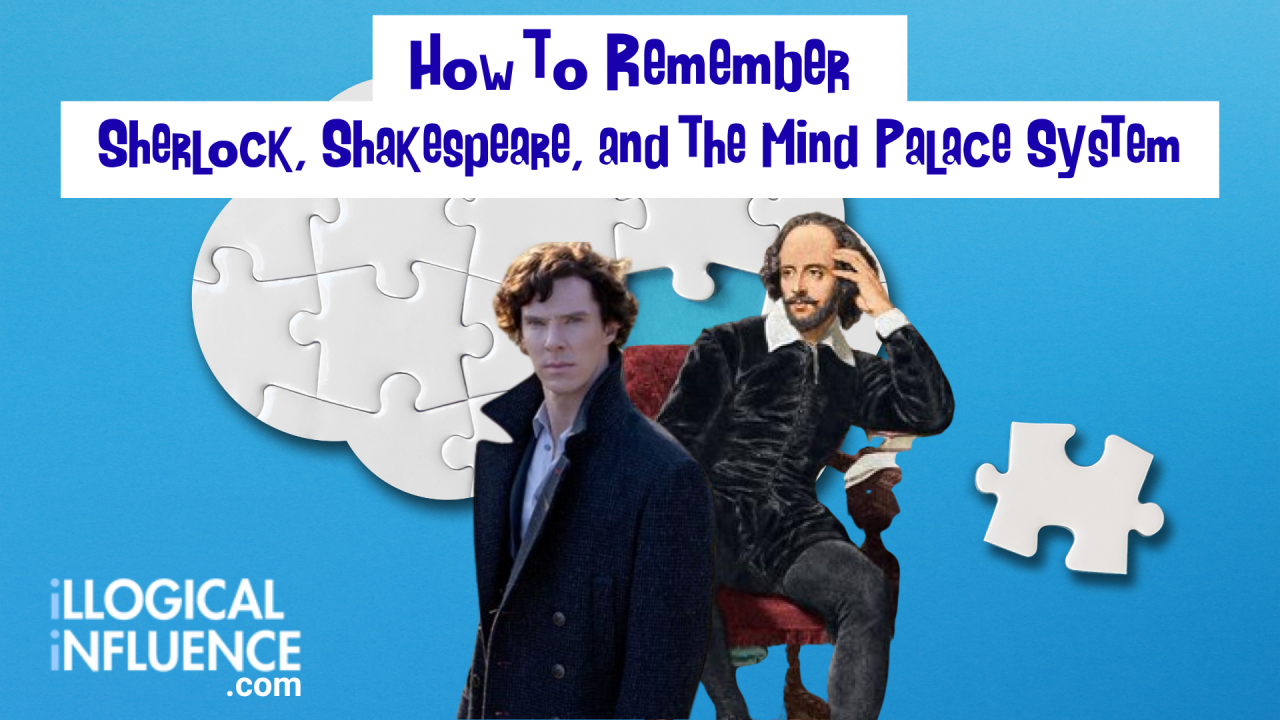
How to Remember: Sherlock, Shakespeare, and the Mind Palace System
Ever struggle to recall important information right when you need it? Perhaps a client’s name at a networking event or the key points of a presentation slip your mind. What if you could summon facts and figures as effortlessly as Sherlock Holmes solving a mystery?
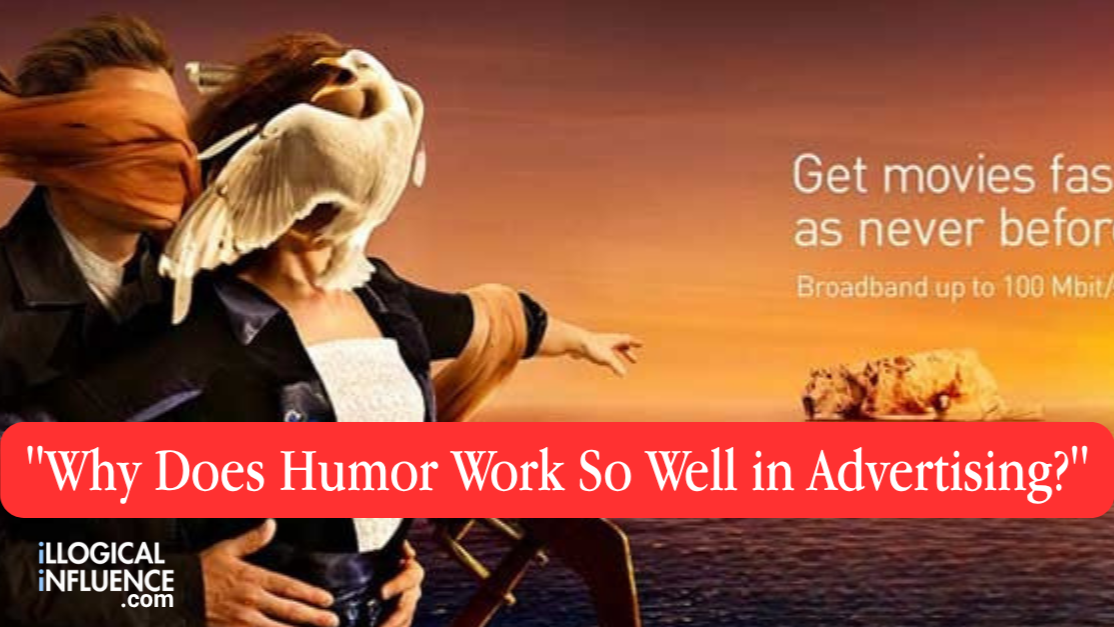
Why Does Humor Work So Well in Advertising?
Ever wonder why so many Super Bowl ads feature dancing animals or sarcastic, SNL-like, one-liners? Are the advertisers just frustrated comedians? Hardly (but, also...yes).
Non-Profits: Don't Ask for a Donation, Ask for a Payment
So, you run a nonprofit offering valuable resources for free. When it’s time to ask users for support, do you urge them to “Donate what you want” out of goodwill, or do you say “Pay what you want” for the service? Instinct might scream to avoid sounding transactional. After all, donations are about generosity, not payments, right? But new research out of NYU’s Stern School of Business suggests that a more transactional ask can actually raise more money.
Are Your B2B Lead-Gen Campaigns Falling Flat?
You're not alone. But the good news is there's a simple formula for writing B2B lead-generation content that actually gets responses. No matter if it's an email, a landing page, a banner ad, or even a video script, the approach is the same. It boils down to 5 key steps:
The Psychology of Yes: Cialdini’s 7 Principles of Influence Explained
Ever wonder why a free sample makes you want to return the favor? Or why an “exclusive, limited-time offer” feels irresistibly tempting? You’re not alone.
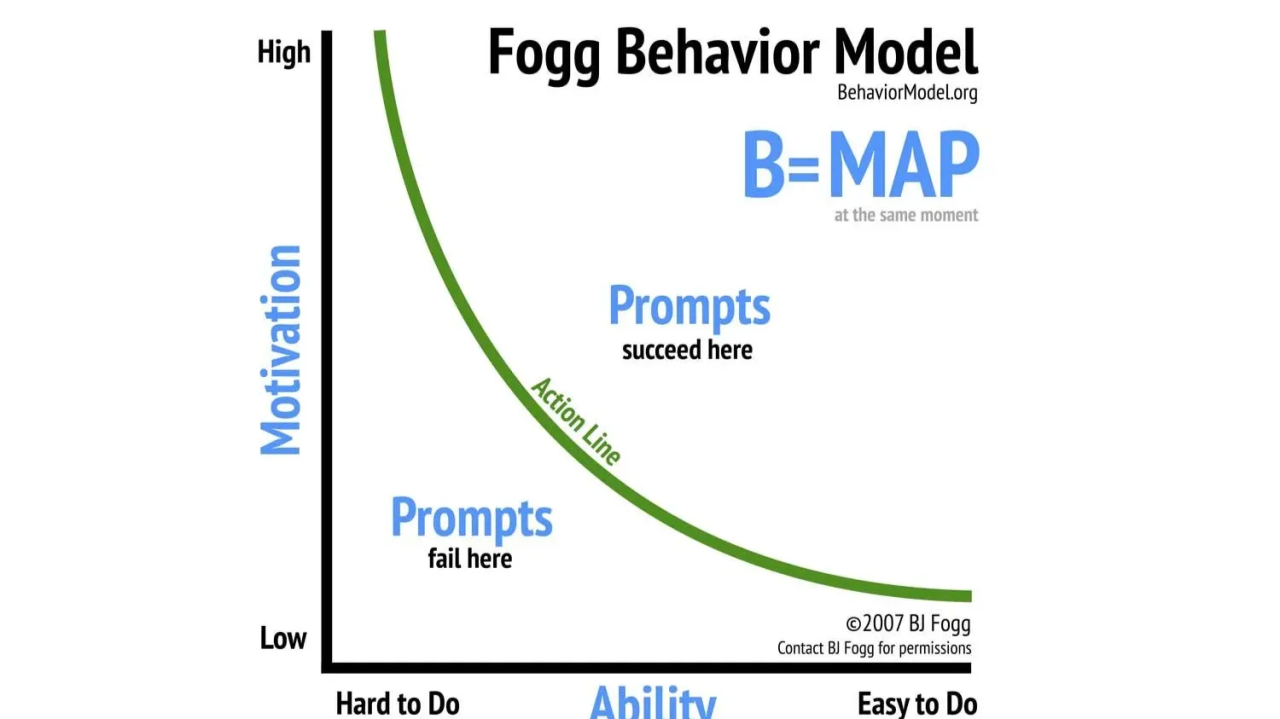
Why Businesses Need To Design For Behavior
Why do markets move? Because people do things. They click, they book, they renew, they recommend. That never happens by accident. It happens when the path to action feels easy, timely, and worth it in the moment. Behavior design treats those small moments as the real stage of strategy. Credit where it belongs: BJ Fogg created the field and showed that behavior occurs when motivation, ability, and a prompt come together at the same instant. Treat that as the house rule and many mysteries of growth stop being mysterious.
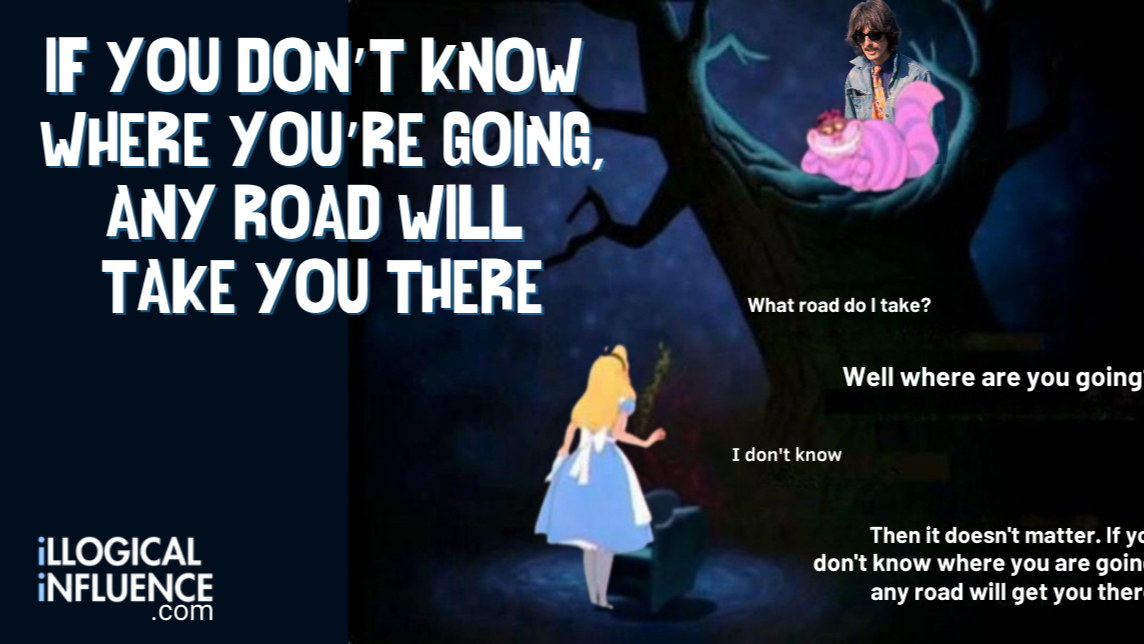
If You Don't Know Where You're Going, Any Road Will Take You There
George Harrison’s “Any Road” has been on heavy repeat on my Discman/iPod/iPhone since it was released in 2002. It opens Brainwashed, his final album. It is my favorite track on that record. Before I plan out my year ahead, I like to write out one line from the song and paste it in plain sight: “If you don’t know where you’re going, any road will take you there.”

The "Avoid-at-All-Cost" List: How Billionaires Actually Set Goals and How You Can Crush 2026
Today is January 1st.
You are probably feeling that familiar buzz of optimism. You have a fresh notebook. You have a vision board. You have a list of twenty things you are absolutely going to change about your life in 2026. You are going to learn French, get six-pack abs, start a podcast, and finally read In Search of Lost Time.
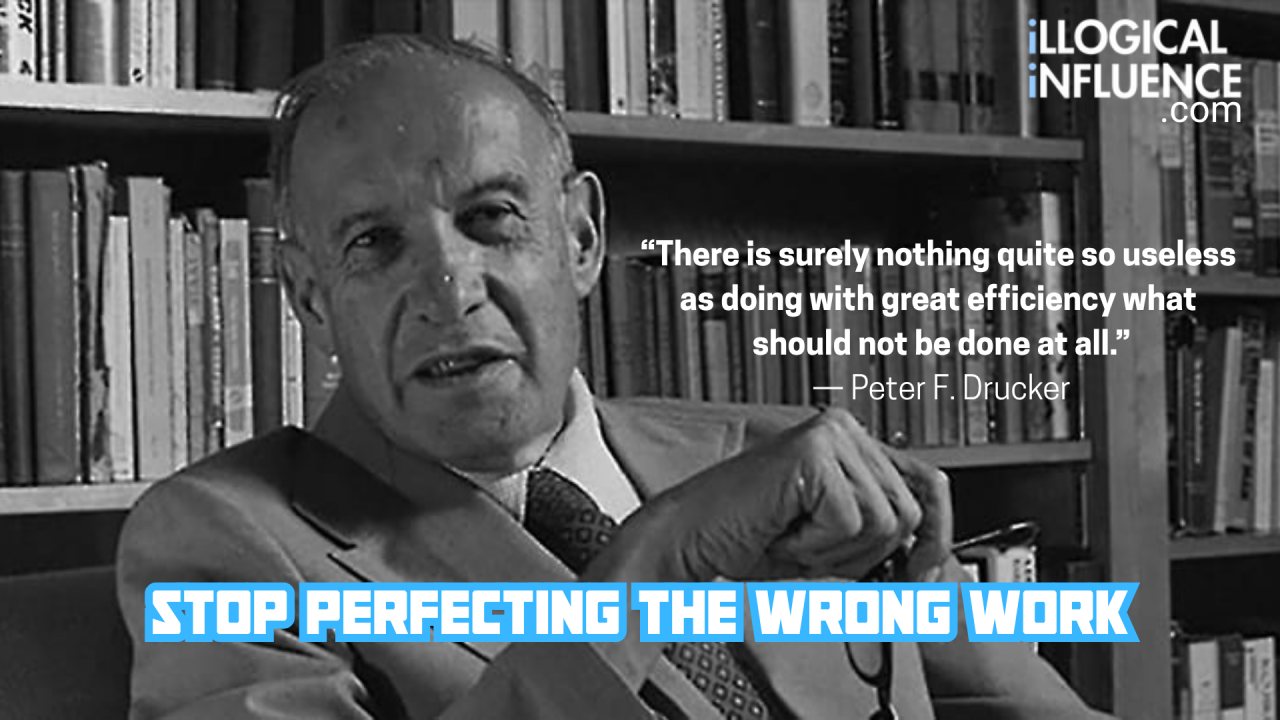
Stop Perfecting the Wrong Work
“There is surely nothing quite so useless as doing with great efficiency what should not be done at all.”

Habit Over Hype: Rethinking Digital Fundraising in the Age of AI-Driven Content Overload
Every day, in every inbox and social feed, charities plead and cajole on autopilot. Nonprofits, like everyone else, have embraced automation to churn out content and calls to action, only to find their audiences increasingly numb to the noise. There is more content online than anyone can consume, and AI is making it worse.

Free Advice Comes at a Price: Reciprocity and Artificial Intelligence
On the Trobriand Islands in the western Pacific, trading expeditions once carried red shell necklaces from one chief to the next in a giant clockwise circuit. Months later a white shell armband travelled the same route in reverse and arrived back at the original giver. Breaking that rhythm risked exile from the trade network because each gift implied a debt that had to be settled in public view (Malinowski 1922, 352).

How The Best Restaurant in the World Built a Culture of Collaboration
At Eleven Madison Park, a turning point came the day after a big strategy meeting: everyone from the sous-chef to the server had helped draw the map, so every person felt a stake in where the restaurant was headed. The team at Eleven Madison Park built a culture where collaboration included everyone, from front of house to back, every single day. The lesson for a creative agency is straightforward: spell out one clear goal and make sure every team member knows how their daily work connects to it. When an intern or a junior designer sees that even their small task moves the needle on the client’s vision, they work harder and more creatively. In practice this means opening your plan to all minds and letting your whole team chew on the big idea and help refine it so it truly becomes their plan.

How Kraft Hid a Makeover in Plain Sight
In 1937, at the tired edge of the Great Depression, Kraft introduced boxed macaroni and cheese in a modest yellow carton. The slogan promised “a meal for four in nine minutes” at nineteen cents, an invitation that felt almost philanthropic in an era of soup lines and ration books. When wartime restrictions arrived a few years later, shoppers discovered that two boxes cost just one ration‑stamp point, and eight million cartons left store shelves in a single year. What began as economical convenience soon became ritual: weekday suppers, school cafeterias, college dorm stoves. The dish lingered because it was quick, cheap, and consoling, a bright paste of cheese powder that, for a moment, made lean cupboards feel full.

A Study in Reverse: The Importance of Thinking Backwards
I grew up in Maine reading Sherlock Holmes. Stephen King had walked the same high school halls I did, though years before, and the woman who taught me English had once been his high school newspaper advisor. She liked to mention that. She never quite understood why I ignored King’s books and chose Conan Doyle instead. But, I wasn’t interested in horror. I was interested in thinking. Holmes solved the problem of how to know things.

The Abilene Paradox: It's Not Just a Great Name for a Robert Ludlum Novel
Picture a team of marketers nodding in unison at a plan none of them truly likes. This paradox is real, and it has a name. The Abilene paradox describes a group decision that runs counter to every individual’s preference. In other words, the team ends up heading to Abilene even though everyone would rather go to Chicago (no offense, Abilene. Sorry,…some offense, Abilene).